Ward Charcoal Ovens History
Built between 1876 and 1879 by Swiss Italian masons, these ovens were designed to efficiently produce charcoal for local silver mining operations. Dimensions: Each oven stands 30 feet tall and 27 feet in diameter, with walls 2 feet thick. Usage: The ovens processed up to 16,000 bushels of charcoal daily, essential for smelting silver ore.
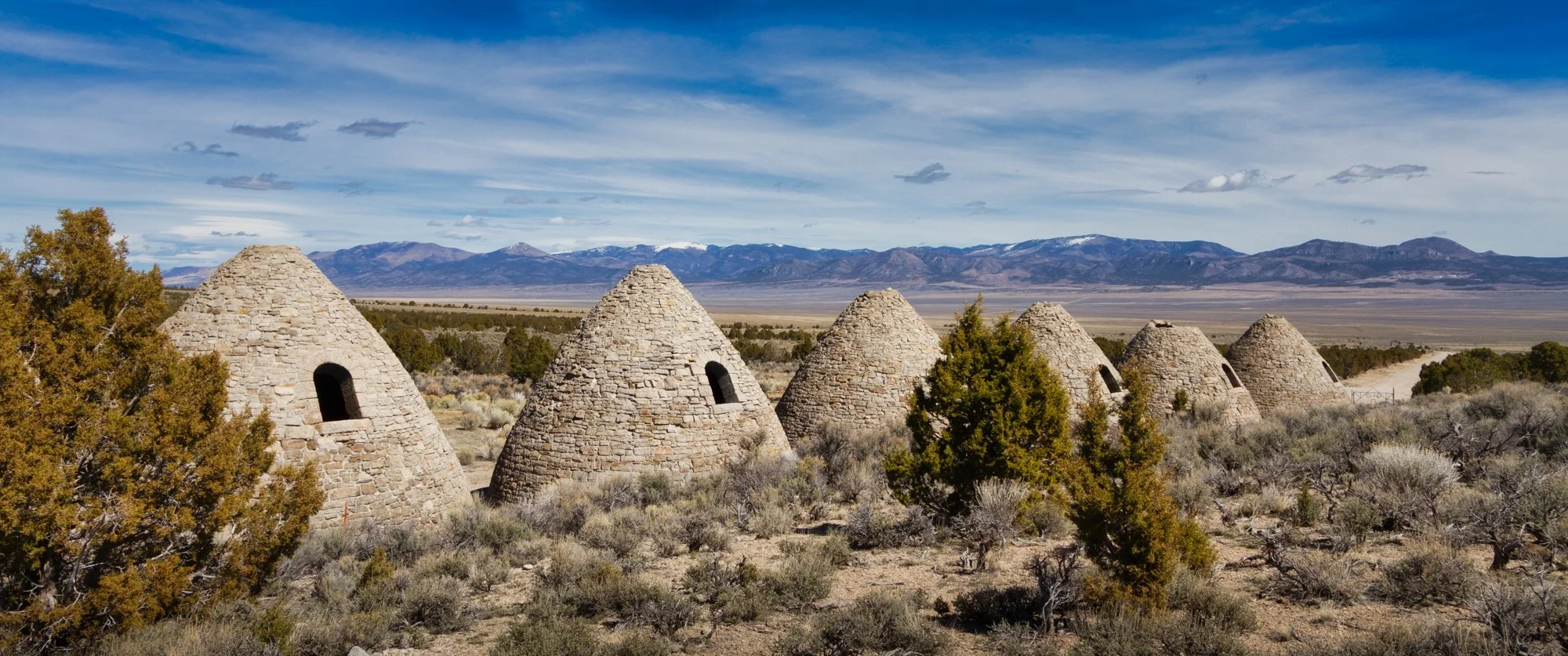
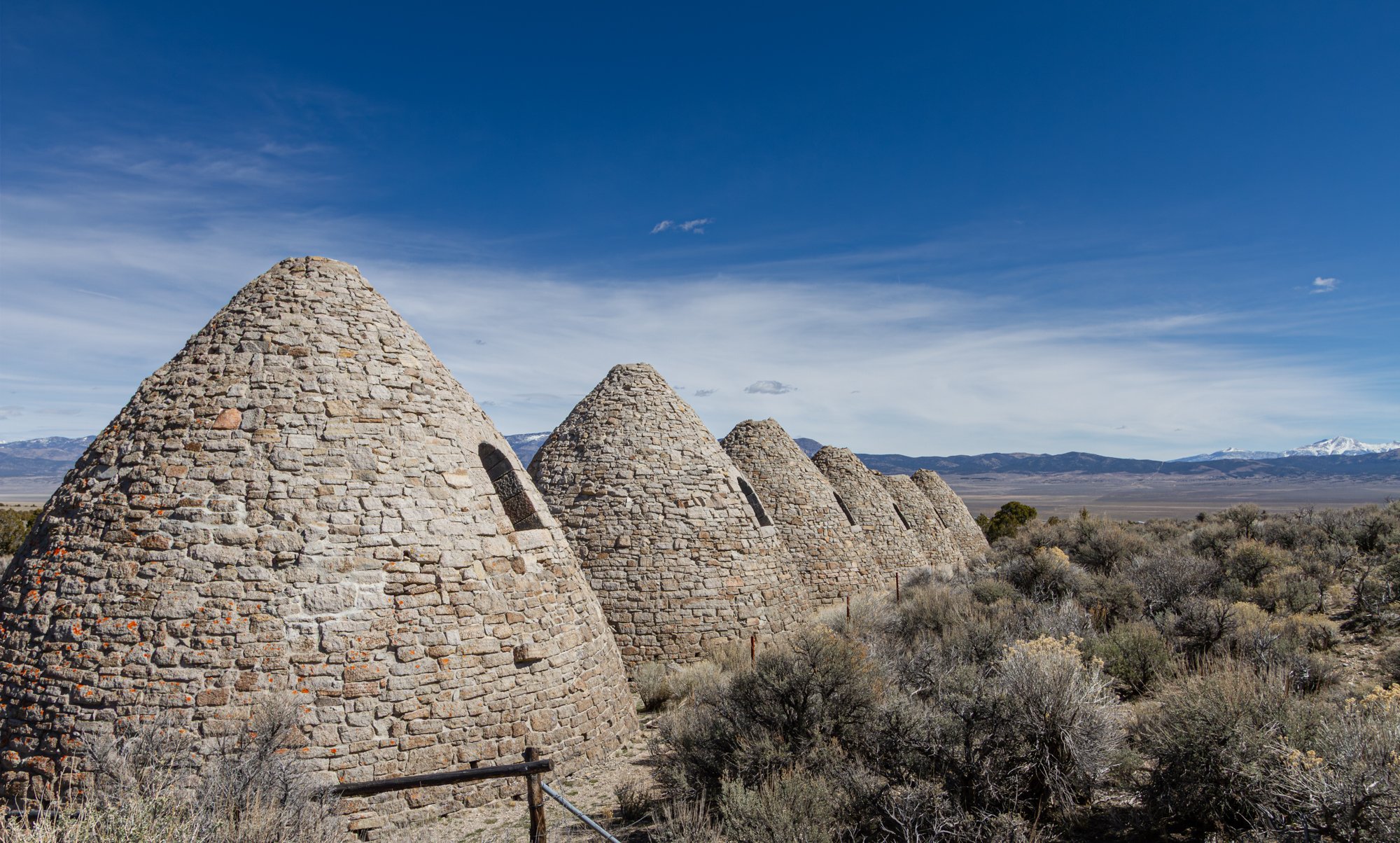
The charcoal ovens are associated with the silver mining ghost town of Ward, Nevada, established in 1876. Six large ovens remain in excellent repair, 30 feet (9.1 m) high, 27 feet (8.2 m) in diameter, with walls 2 feet (0.61 m) thick at the base. The ovens were in operation from 1876 through 1879. They were built of quartz latite welded tuff by itinerant Swiss Italian masons known as carbonari, who specialized in the ovens. in Italy.
Mission San Xavier del Bac
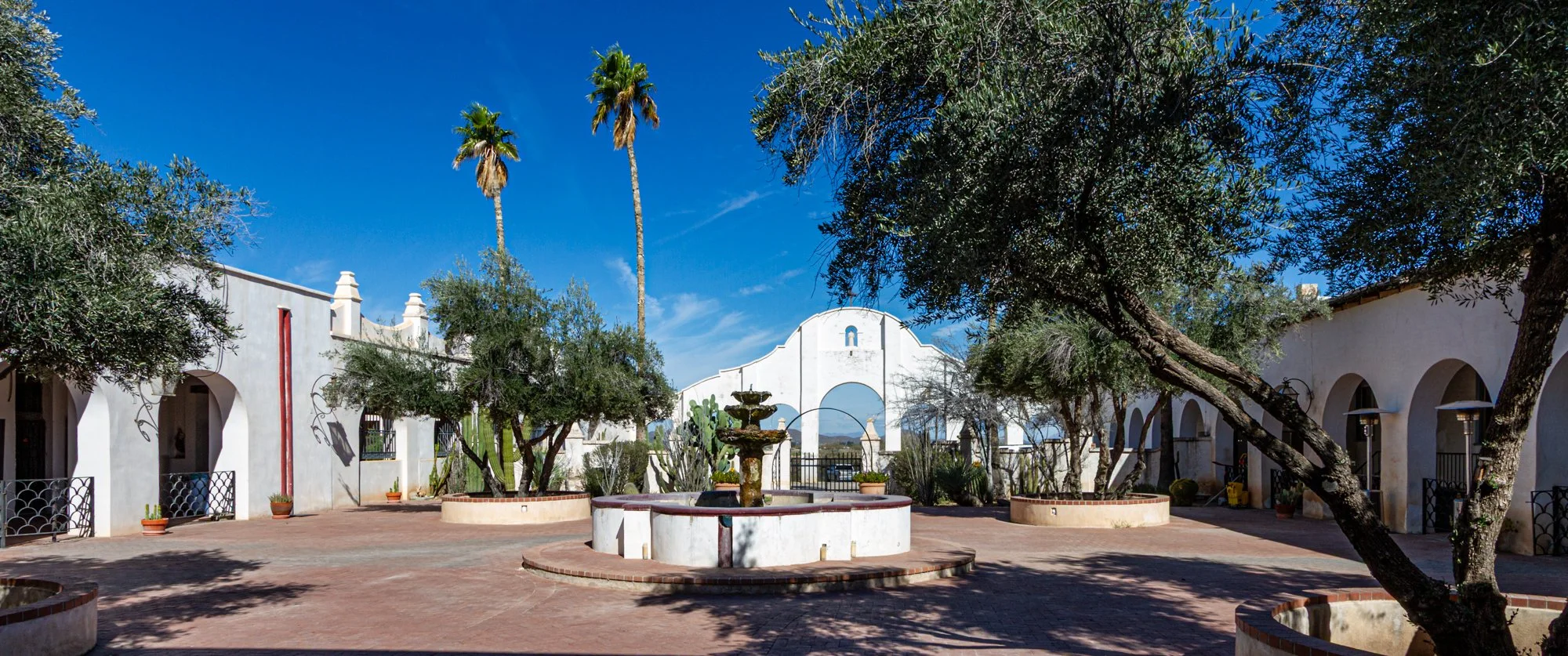
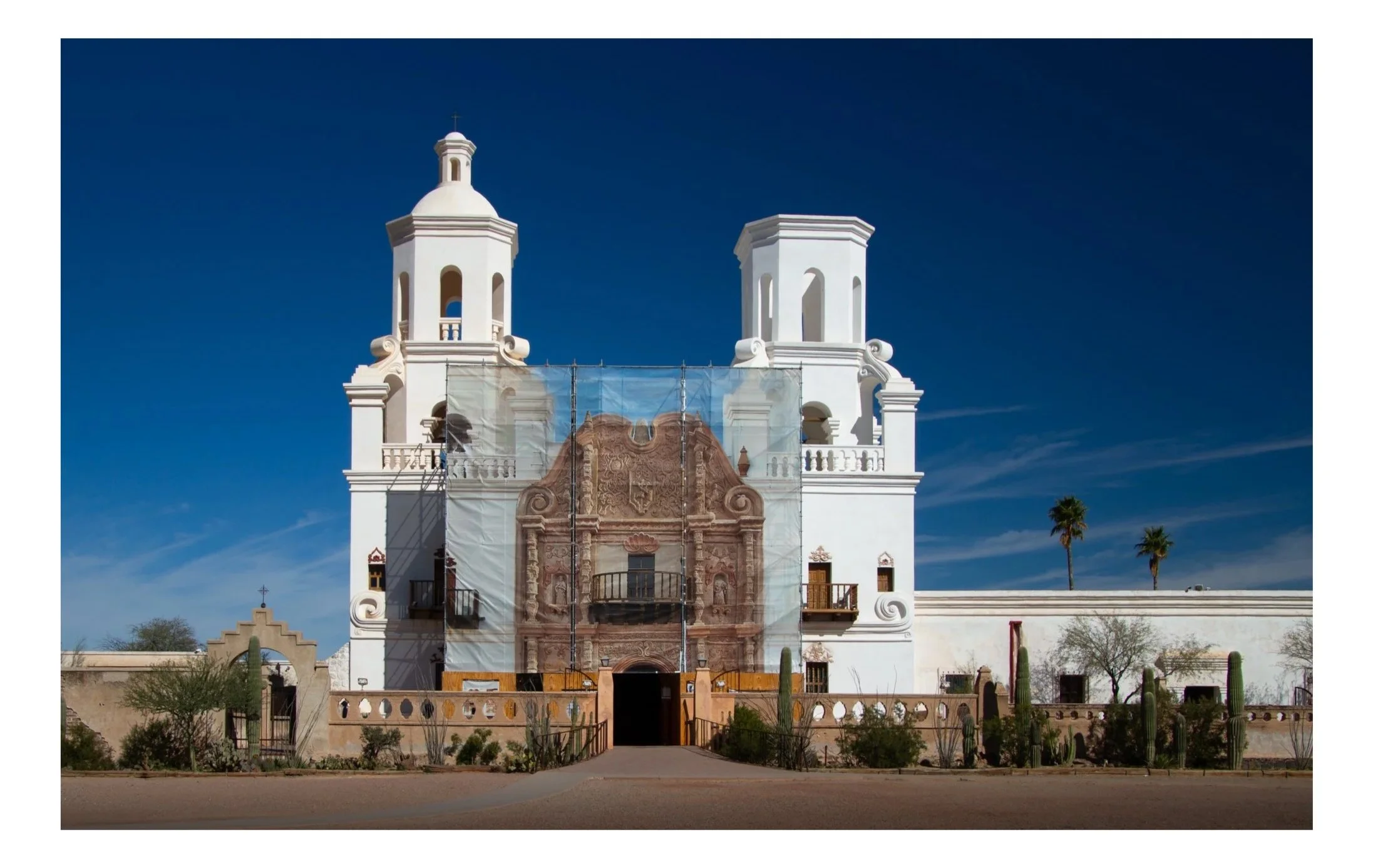
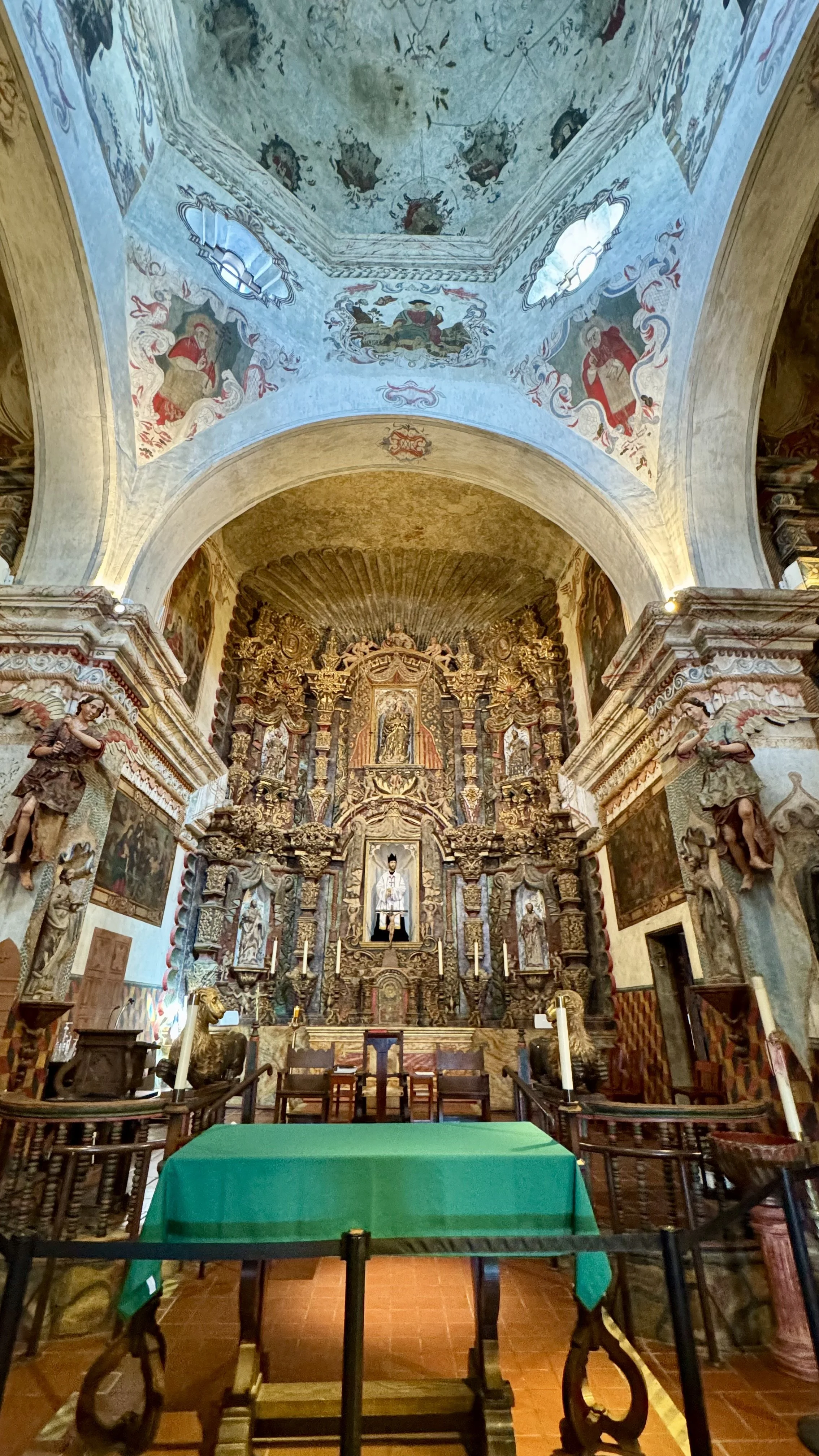
The mission was named for Francis Xavier, co-founder of the Jesuit Order in Europe. The original church was built to the north of the later Franciscan church and was demolished during an Apache raid in 1770.
They rebuilt between 1783 and 1797, which makes it the oldest European structure in Arizona.
Labor was provided by the O'odham, the Native American tribes.
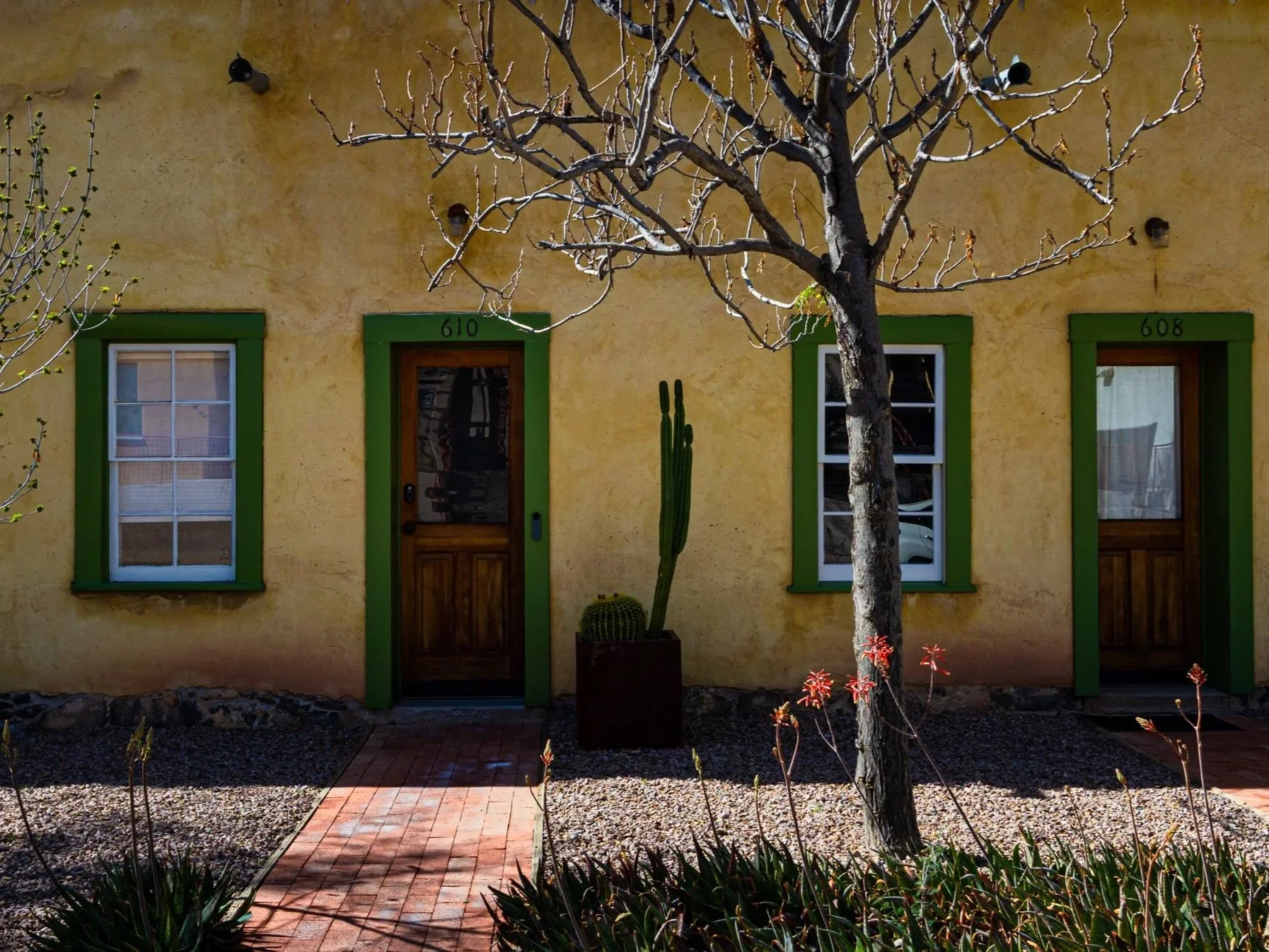
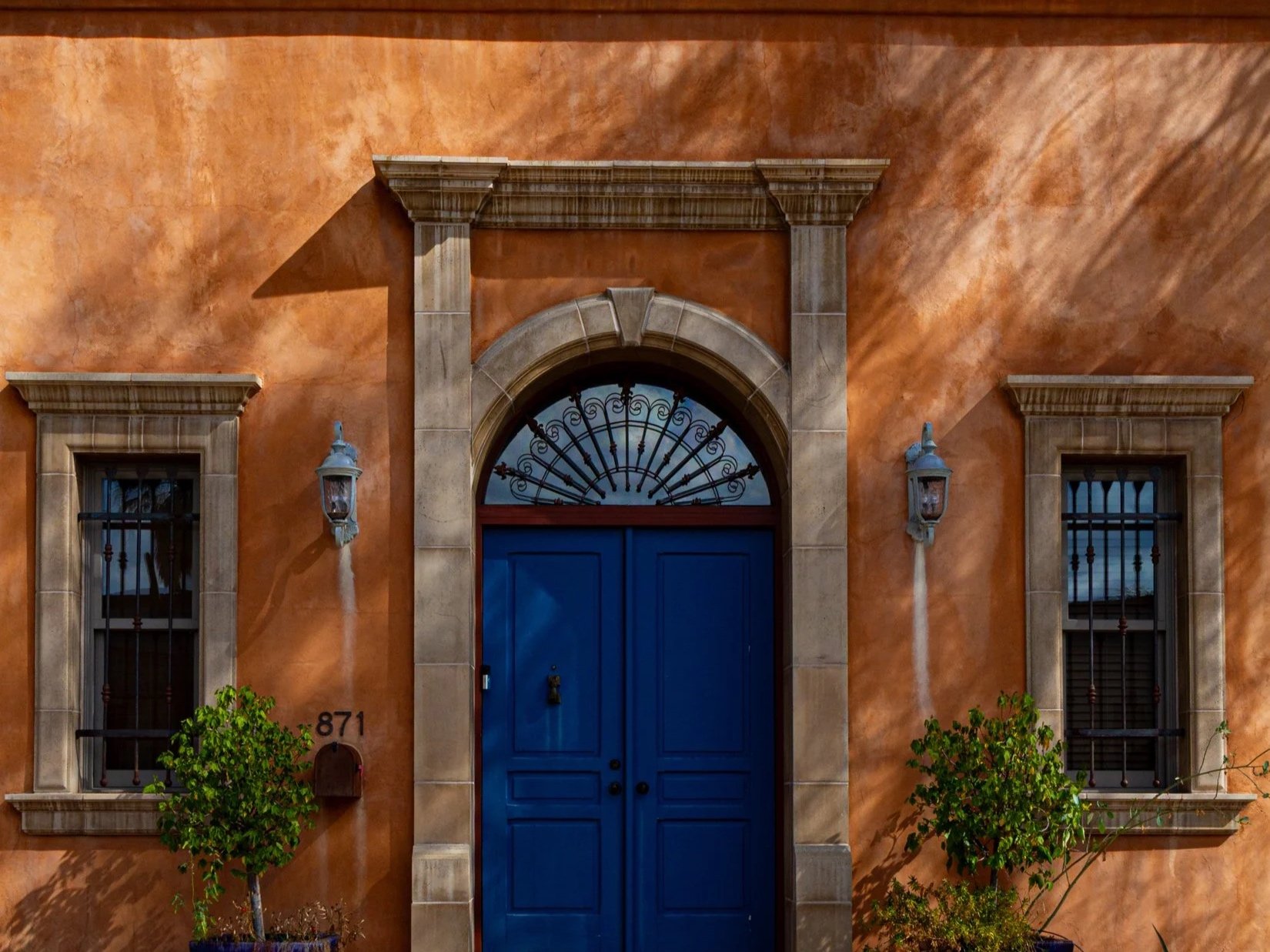
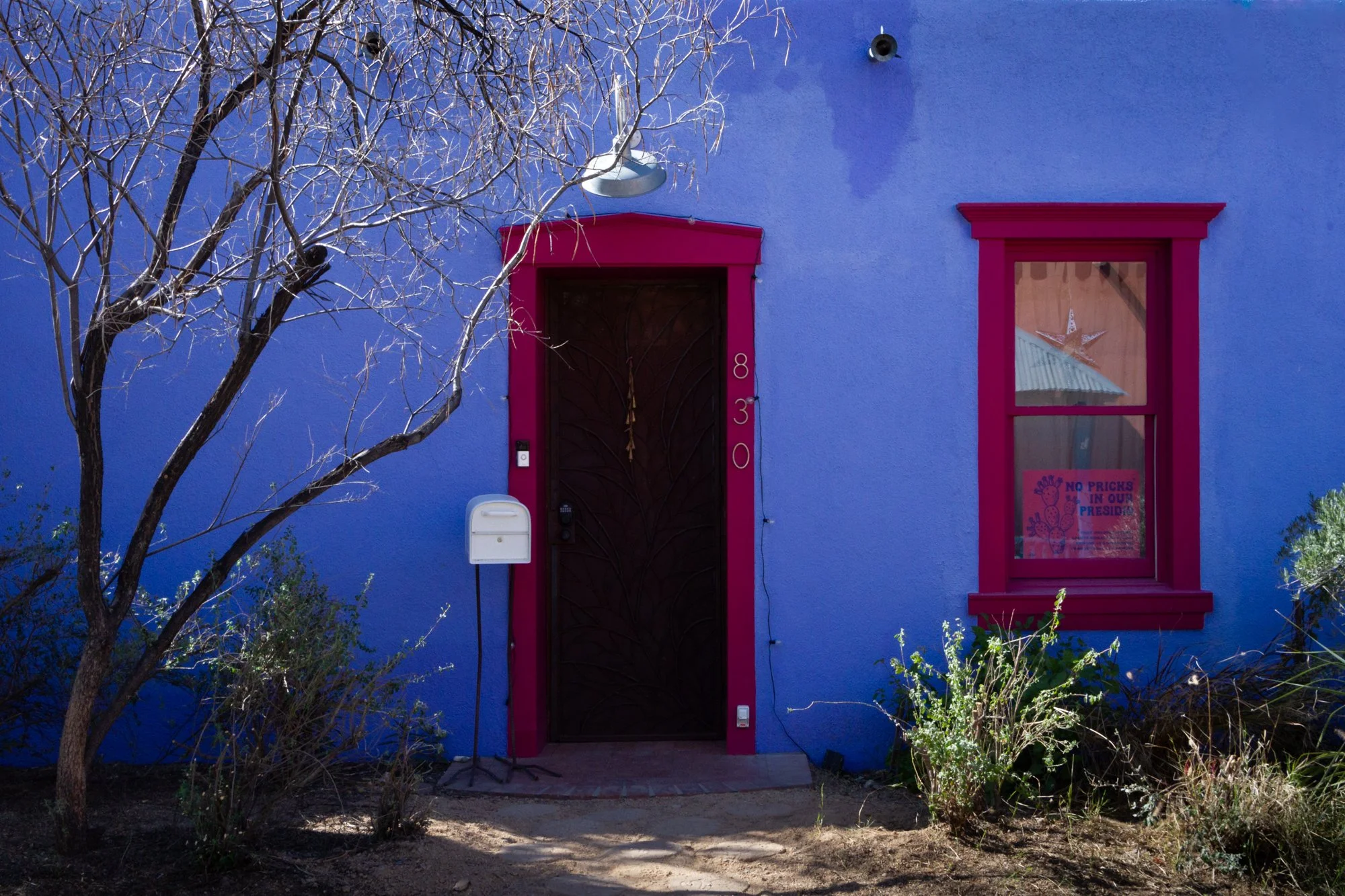
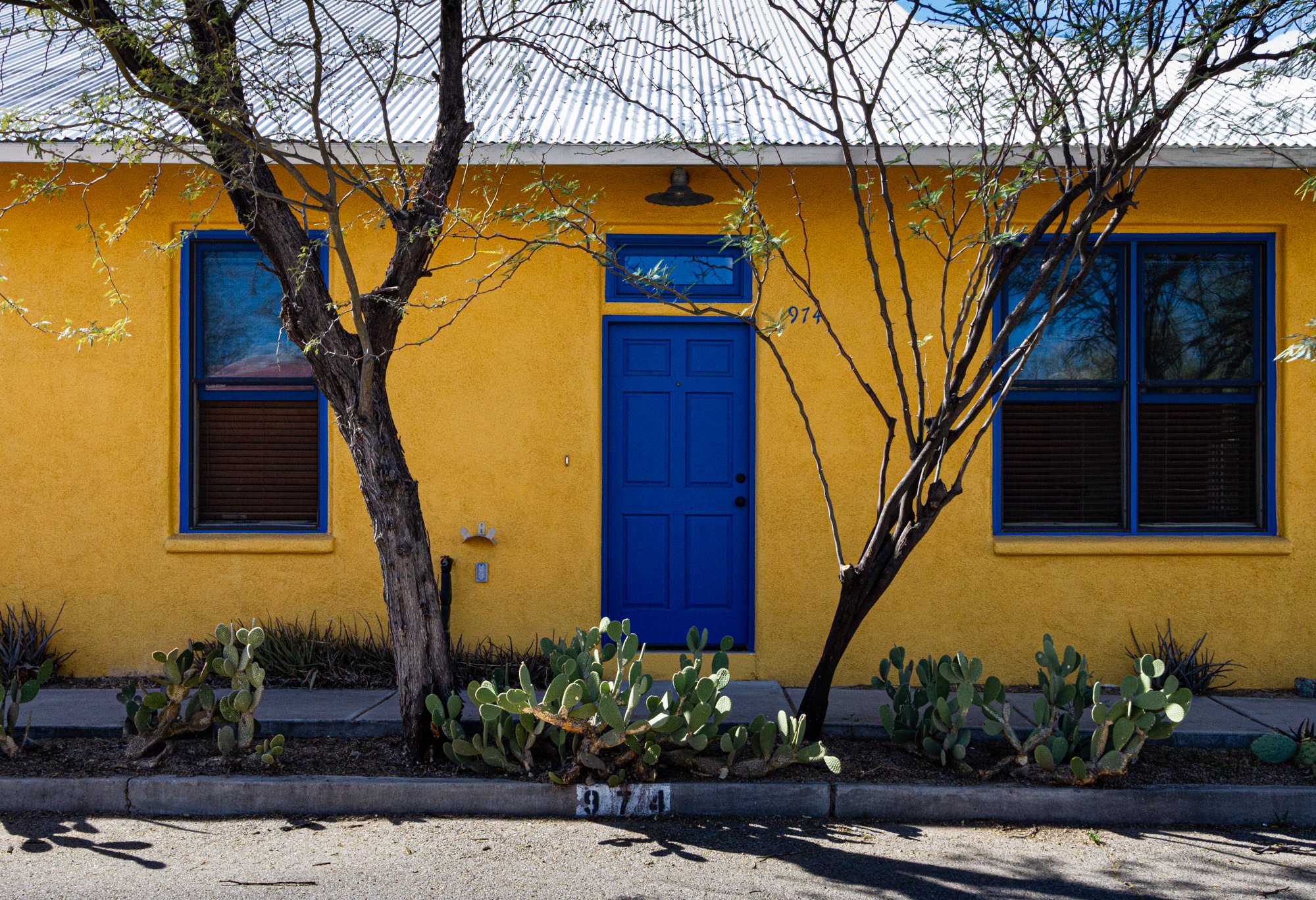
LIVING HISTORY IN BARRIO VIEJO
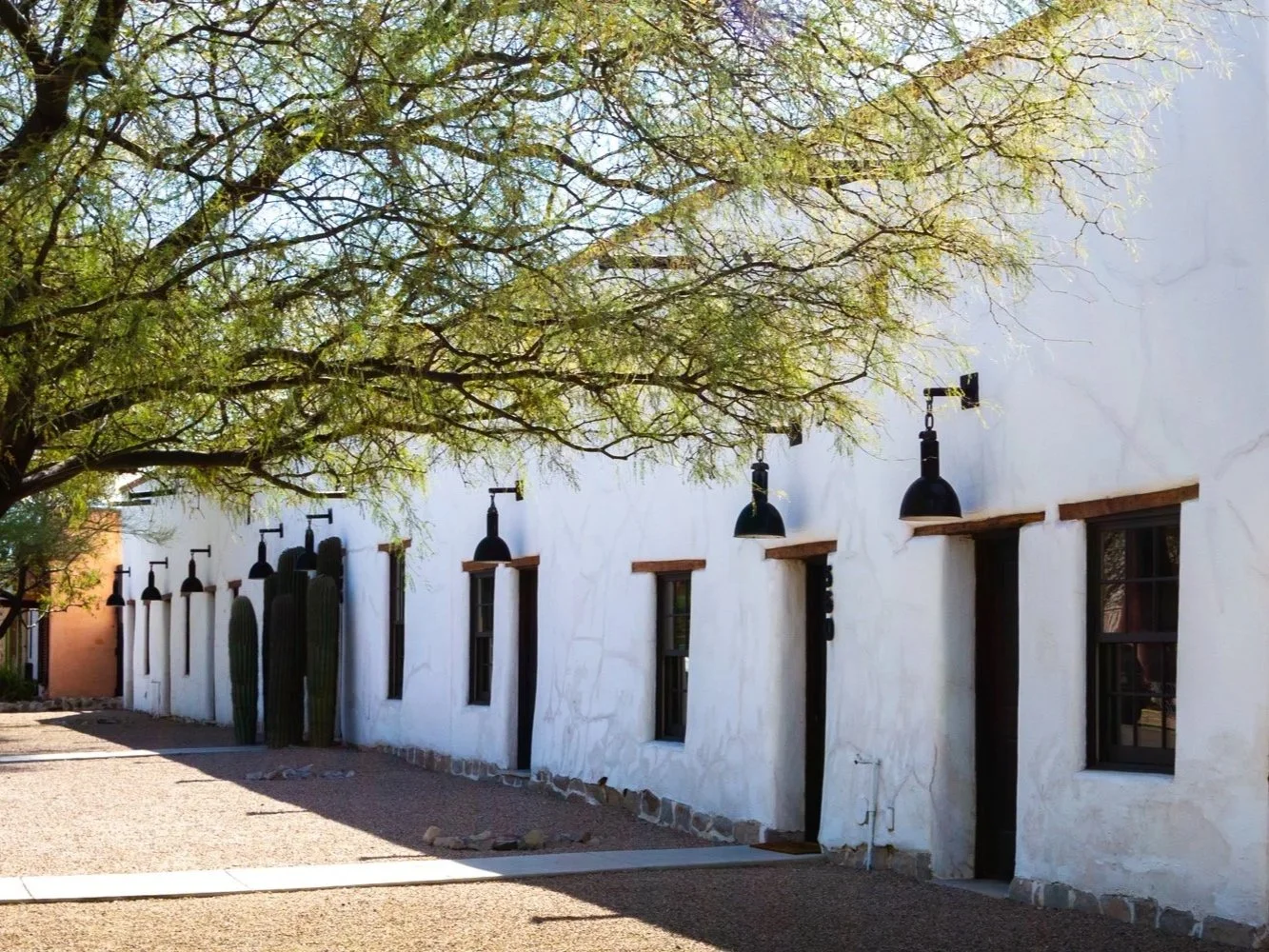
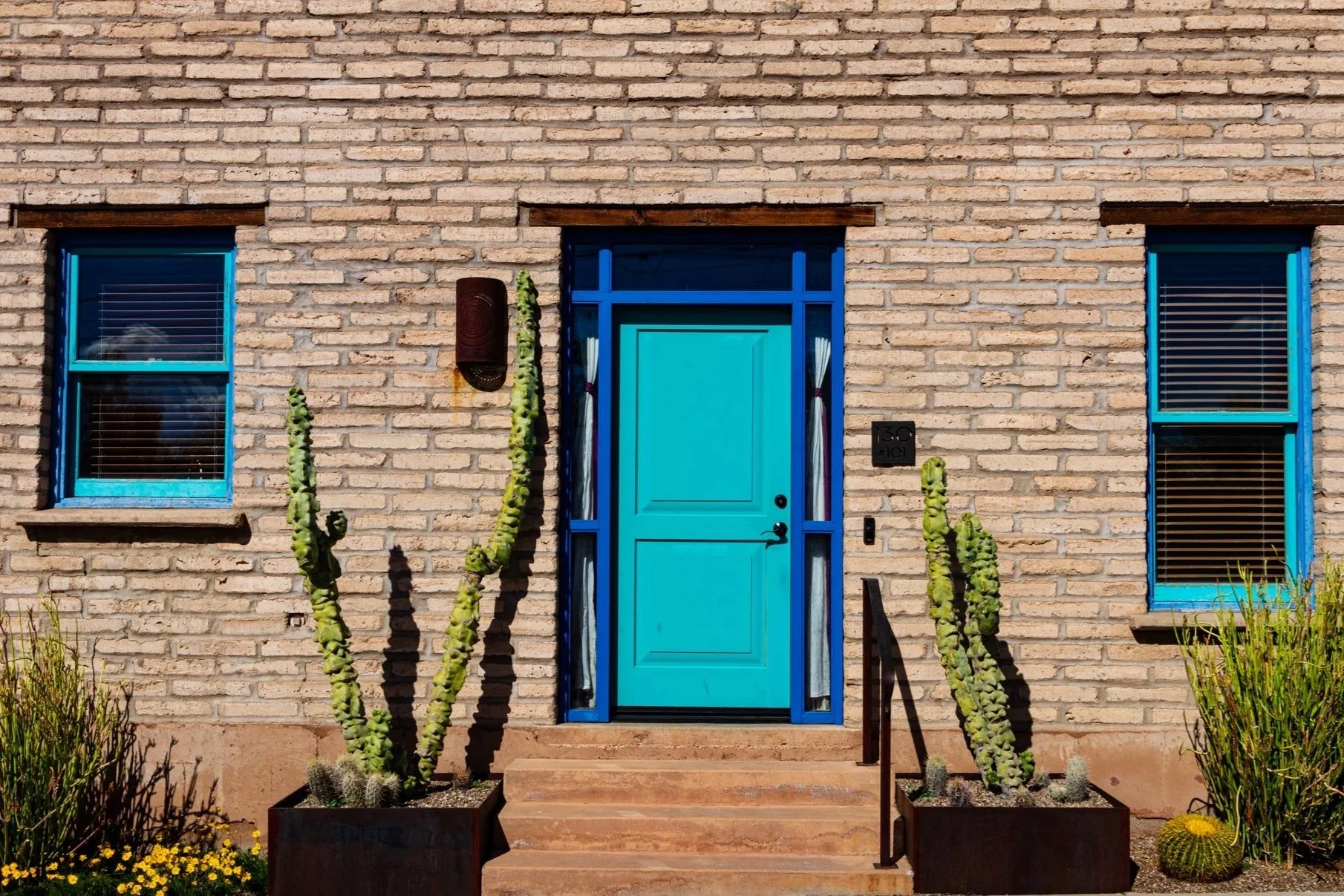
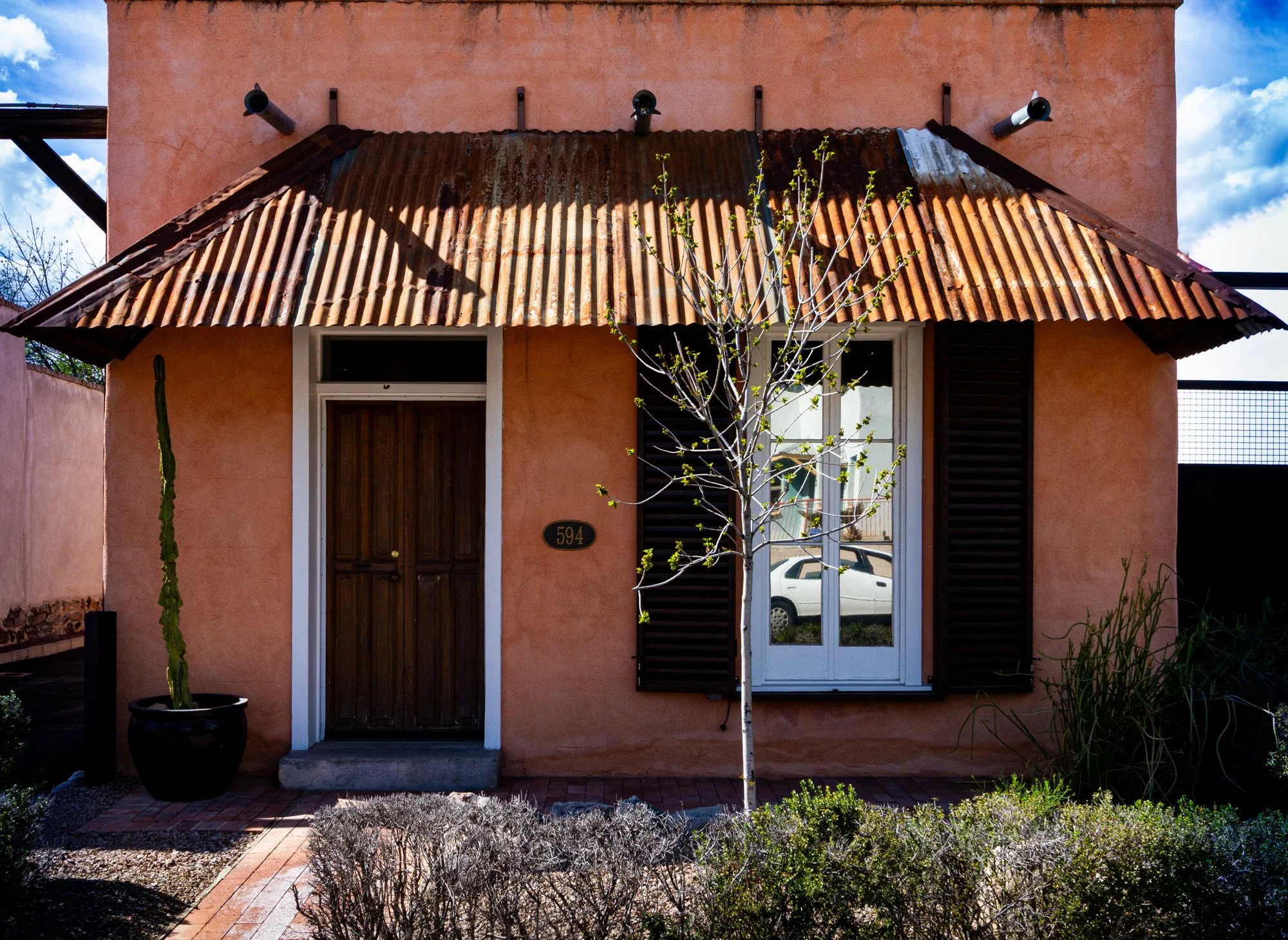
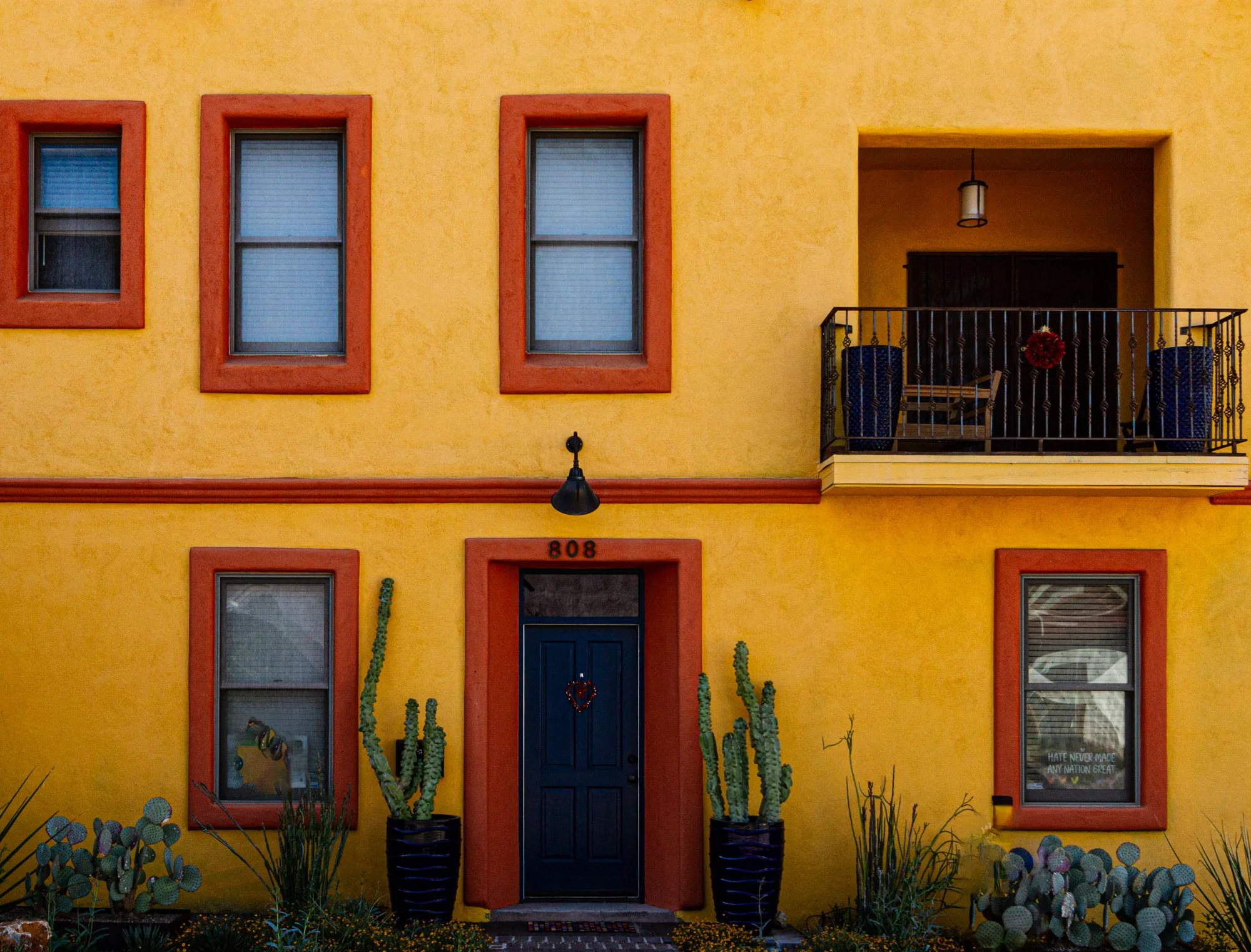
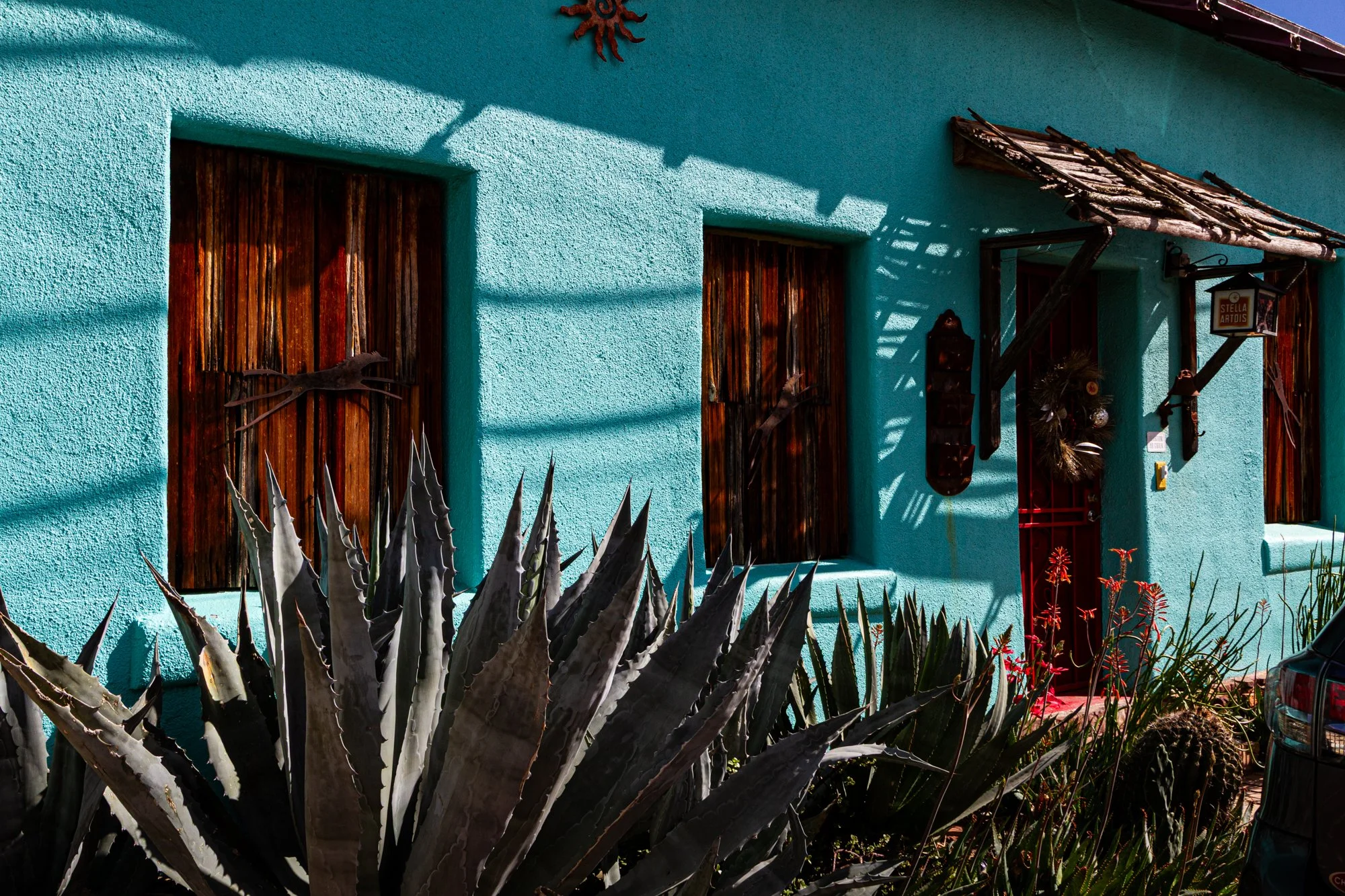
When you stroll through the sun-washed streets of Barrio Viejo in Tucson, Arizona, you’re traveling back in time. Barrio Viejo—Spanish for “Old Neighborhood”—is a living testament to Tucson’s multicultural heritage, vibrant community spirit, and unique architectural legacy.
Caliente Train Depot
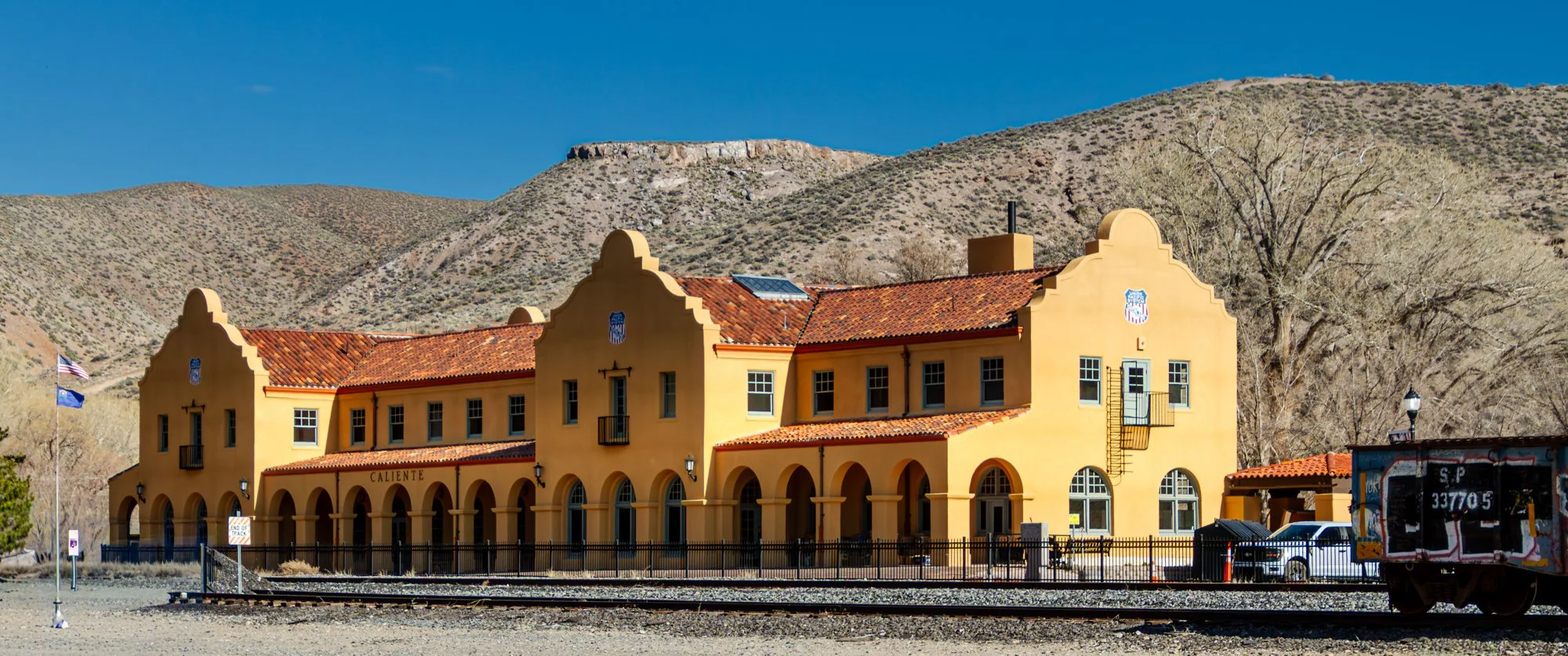
A mission-style, two-story train station
Caliente station is a historic Mission Revival style railway station, located in Caliente, Nevada, United States. The station is listed on the National Register of Historic Places as the Caliente Railroad Depot. The station was built by the Los Angeles and Salt Lake Railroad (later the Union Pacific Railroad) in 1923 to serve the railroad's division point on the mainlinebetween Los Angeles, California, and Salt Lake City, Utah. The depot is a two-story wood frame stucco building. The first floor held the passenger waiting room, station agent's office and other railroad offices. The second floor was used as a hotel.